United States
 United Kingdom
 Europe
 Australia
 Canada
 Denmark
 Germany
 Hong Kong
 Japan
 Mexico
 Norway
 Poland
 Saudi Arabia
 Singapore
 Sweden
 Switzerland
 United Arab Emirates
 Qatar



A simple guide for automatic watches
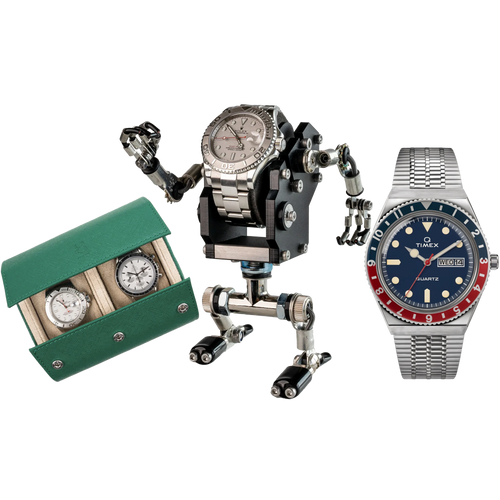
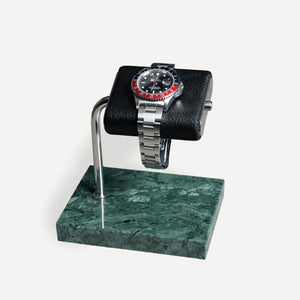
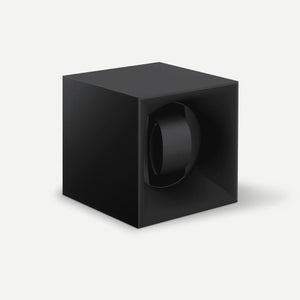
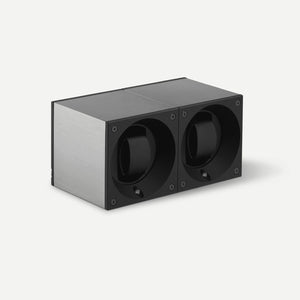
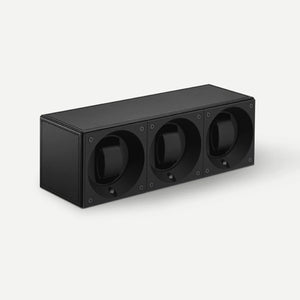
A watch winder is a storage device that gently rotates an automatic watch while it is off your wrist. Its purpose is to recreate the movement that a self-winding mechanical watch normally receives during wear, helping it remain running and ready to use. It is not a power source and does not replace the movement inside the watch. Instead, it supports the watch’s own winding mechanism.

What is a watch winder?
An automatic watch winder is best understood as a convenience accessory. If you enjoy rotating between several watches, it can save you from resetting the time and other displays whenever you return to a particular piece. If you wear one automatic watch most days, however, a winder may add little to your routine.
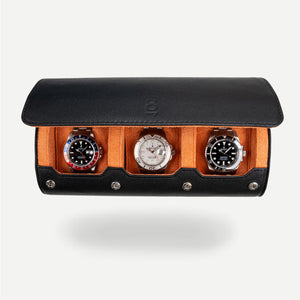
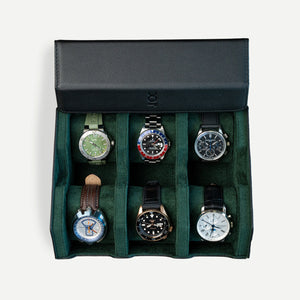
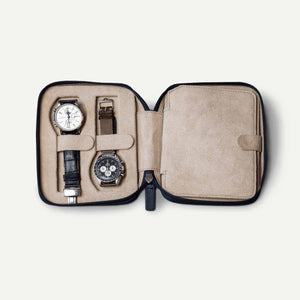
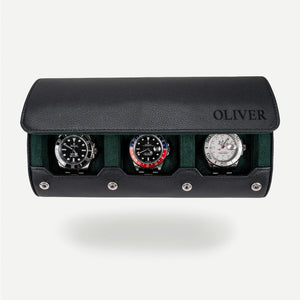
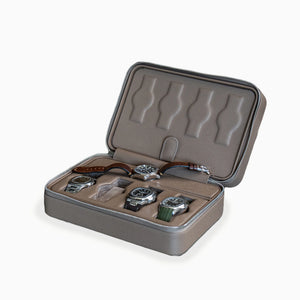
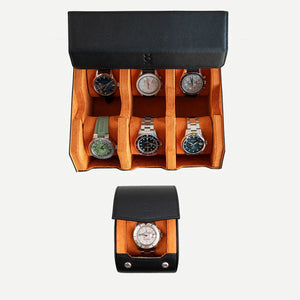
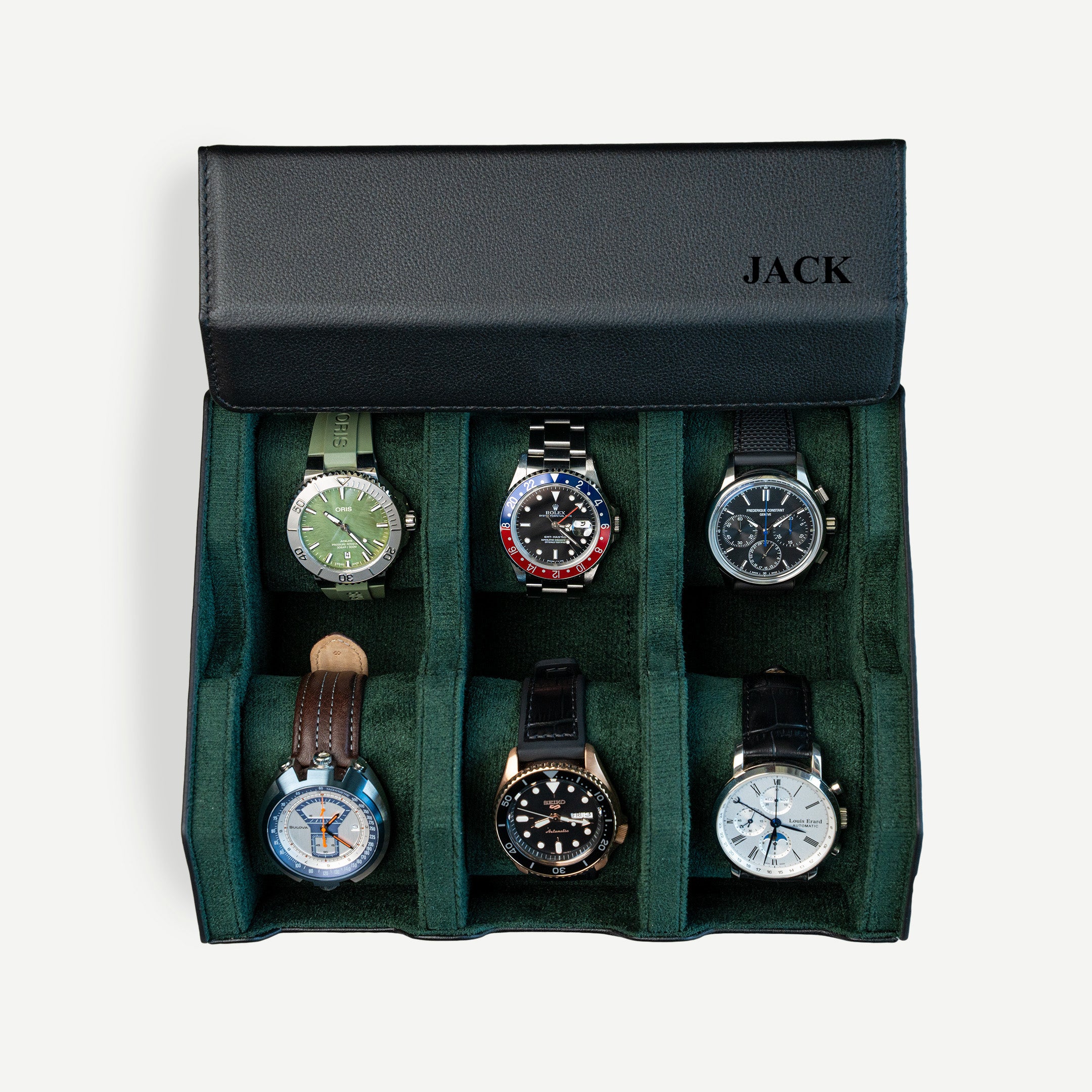
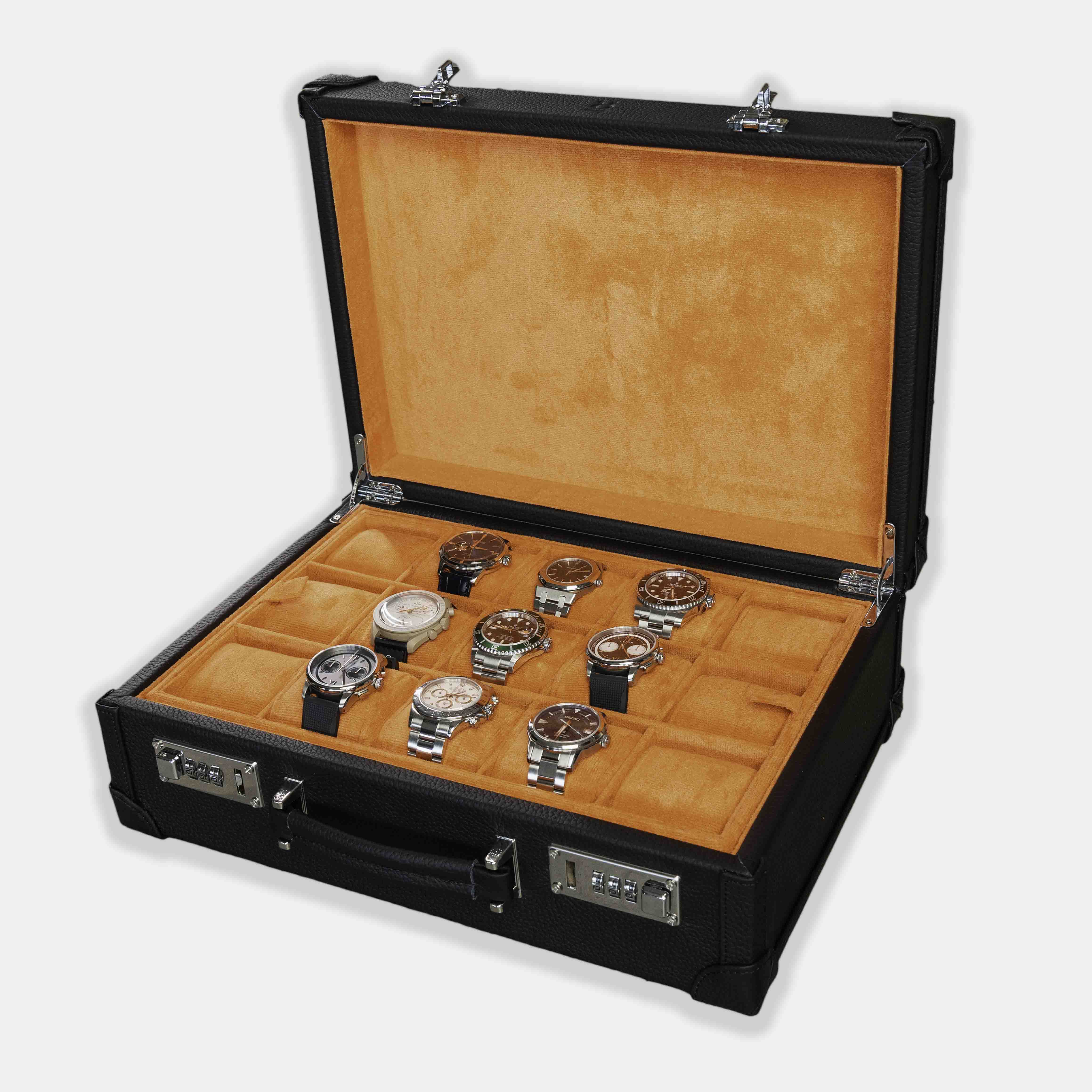
A winder is also different from a watch box or travel case. A case stores and carries a watch, while a winder adds controlled movement for compatible automatic watches.
How does a watch winder work with an automatic watch?
A watch winder works by rotating an automatic watch so that the rotor inside the movement can move, helping wind the mainspring that stores the watch’s energy. In everyday wear, motion from your arm causes this process naturally. Inside a winder, programmed turns take the place of that wrist movement while the watch is resting.
The rotor creates the winding movement
The rotor is a weighted component inside an automatic movement. As the watch moves, the rotor turns and transfers energy through the mechanism. That energy contributes to winding the mainspring. The mainspring then releases stored energy gradually, allowing the watch to continue keeping time.
A winder does not directly charge or power a watch. It simply gives the automatic movement the motion it needs to perform its normal self-winding function. That distinction matters because a winder only makes sense for a watch built around a rotor-based automatic mechanism.
Why a winder does not spin constantly
Most watch winders use periods of rotation followed by pauses. These rest cycles are intentional. The goal is to provide controlled movement over time, rather than keep the watch turning without interruption. A winder may rotate clockwise, counter-clockwise, or alternate between both, depending on its settings.
If a watch has fully stopped before you place it in a winder, check the manufacturer’s guidance for that model. Some automatic watches may need to be started or set manually before the winder can maintain their stored energy effectively.

Which watches can use a watch winder?
Automatic watches are the intended use case for a watch winder because they use a rotor and mainspring system that responds to movement. These watches are also called self-winding mechanical watches. If your watch is automatic, a winder can be useful when it is not worn regularly.
Quartz watches do not need a winder for winding purposes. They are powered by a battery and use a quartz-controlled movement, not a rotor that winds a mainspring through wrist motion. Placing a quartz watch in a winder may move it physically, but it does not provide the function a winder is designed to deliver.
Manual-wind watches are also not the right match. They are wound by turning the crown by hand, so a rotating holder cannot wind them in the intended way. Before using any automatic watch winder, confirm the movement type in your watch documentation or through the manufacturer.
What do watch winder settings mean?
Watch winder settings control how often and in which direction the holder rotates. The three terms you will see most often are TPD, rotation direction, and rest cycles. They may sound technical, but the key principle is simple: the right setting is determined by your specific watch movement, not by a universal rule.
TPD means turns per day
TPD stands for turns per day. It describes the total number of rotations a winder completes across a full day, usually with pauses built into the programme. A higher or lower setting is not automatically better. Your automatic watch has its own winding requirements, so the appropriate TPD depends on the movement fitted inside it.
Rotation direction depends on the movement
Most winders offer clockwise, counterclockwise, or bi-directional rotation. Clockwise means the watch turns in one direction, counterclockwise means the opposite, and bi-directional alternates between both. Some automatic movements respond to winding in one direction, while others can use movement in either direction.
This is why guessing can create unnecessary uncertainty. Look for guidance from the watch manufacturer, movement maker, or an authorised watch professional when the documentation is unclear. Matching the winder to the movement is more useful than selecting settings based on another watch in your collection.
Rest cycles are part of normal operation
A rest cycle is a planned pause between rotation periods. It allows the winder to mimic a more natural pattern of activity rather than continuous motion. Seeing the holder stop is therefore not necessarily a fault. It can be part of the selected programme.

When is a watch winder useful, and when is it not?
A watch winder is useful when it suits the way you wear and rotate your automatic watches. For collectors who switch between several pieces during the week, it can keep a compatible watch running while another gets wrist time. That can be particularly convenient for a watch with a day-date, moon phase, or other display that takes longer to reset after it stops.
It is not essential for every automatic watch owner. If you wear the same watch regularly, your normal wrist movement may keep it running. A winder may also be unnecessary if you do not mind setting the time and calendar after a watch has been resting in a case.
The best choice comes down to your collection and routine. A winder is about convenience, not a compulsory part of automatic watch ownership.
Quick checks before you use or buy a watch winder
Before choosing a setup, start with the watch rather than the accessory. Confirm the movement type and check the manufacturer’s recommendations for winding direction and TPD. Then make sure the watch sits securely in the holder without placing pressure on the bracelet, strap, or crown.
- Confirm that your watch is an automatic, self-winding mechanical model
- Check the recommended TPD and rotation direction for the exact movement.
- Make sure the watch fits securely on the winder cushion or holder.
- Choose a winder with settings that can match your watch’s documented requirements.
The simple role of a watch winder
A watch winder keeps a compatible automatic watch moving by rotating it in controlled intervals, allowing the rotor to support mainspring winding. With the right watch winder settings, it can be a practical way to keep selected watches ready to wear. It is useful for certain collections and routines, but it is never a substitute for understanding your watch’s specific movement.
Explore DailyWatch accessories for thoughtful watch storage, travel, and everyday care, then choose the setup that fits the way you enjoy your collection.