United States
 United Kingdom
 Europe
 Australia
 Canada
 Denmark
 Germany
 Hong Kong
 Japan
 Mexico
 Norway
 Poland
 Saudi Arabia
 Singapore
 Sweden
 Switzerland
 United Arab Emirates
 Qatar





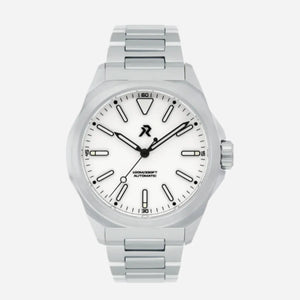
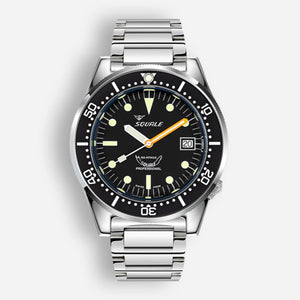
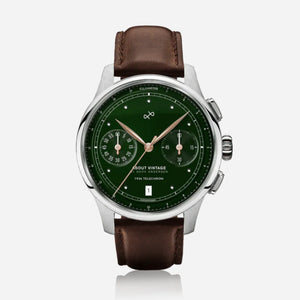
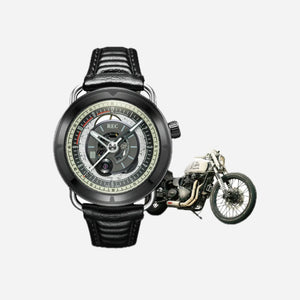
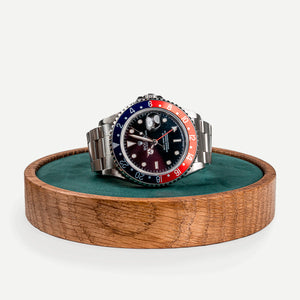

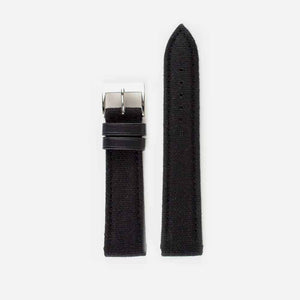


First, identify what kind of watch you are cleaning
The safest way to clean a watch is to match the amount of moisture and the cleaning method to its water resistance and strap material. Before you start, check the manufacturer’s guidance for your specific model, especially if you plan to use more than a lightly damp cloth. If water resistance is unclear, treat the case as non-water-resistant and use a soft, dry cloth with minimal moisture only where necessary.
A watch case, bracelet, and strap do not always need the same approach. A stainless steel bracelet may tolerate controlled moisture when the watch is suitable for it, while a leather strap needs a far drier method. Make sure the crown is fully closed in its normal position before cleaning near the case, and take extra care around pushers, which are the buttons used on some chronograph watches.
Polished and brushed steel also deserve a gentle touch. Rough cloths and vigorous scrubbing can affect the finish, so focus on lifting dirt rather than trying to force a high shine.
Water resistance is not a reason to be careless
Water resistance describes a watch’s ability to resist water under stated conditions. It does not automatically mean that every water-resistant watch should be washed under a tap or submerged. When in doubt, use the least-wet method and keep water away from openings, the crown, pushers, and seals.

What you need before you start
You only need a small, gentle cleaning kit to handle most everyday watch care. Prepare your workspace first, preferably on a clean, soft surface where the watch cannot slide or pick up fresh dust. If the strap can be removed safely according to the watch design, cleaning it separately can make the process easier, but it is not essential.
- A clean, soft, lint-free cloth for wiping and drying
- A very soft brush for bracelet links, clasps, and other small crevices
- Mild soap only for suitable water-resistant metal components, used with controlled moisture
- A second dry cloth to remove moisture from links, clasps, and around the case
- Clean lukewarm water if the watch and bracelet are confirmed suitable for careful water-based cleaning
Avoid household cleaners, alcohol-based products, abrasive pads, rough paper towels, and hot water. These can be too harsh for finishes, seals, coatings, or strap materials. Simple tools used carefully are far better than an aggressive cleaning product.
How to clean a stainless steel watch case and bracelet
To clean a stainless steel watch, begin dry and add only controlled moisture if the watch is confirmed suitable for it. This approach removes everyday sweat, dust, and residue while limiting unnecessary exposure around the case. It is particularly useful for watches worn often, where buildup tends to gather around the clasp and between bracelet links.
Start with the lowest-risk clean
First, wipe the entire watch with a soft, dry cloth. Work across the crystal, bezel, case sides, bracelet, and clasp to remove loose dust and surface grime. This simple pass may be enough for a watch that only looks slightly dull after daily wear.
If marks remain and the watch is suitable for careful water-based cleaning, lightly dampen the cloth rather than soaking the watch. A small amount of mild soap can be used on the cloth for suitable stainless steel bracelet sections, but avoid letting soap residue collect near the case details.
Clean links and clasps section by section
For how to clean a stainless steel watch bracelet properly, focus on the areas that are easiest to miss. Use a soft brush with minimal moisture to gently lift buildup from between links and around the clasp. Work in small sections instead of scrubbing the full bracelet at once, then wipe away any residue with a clean, damp cloth.
The bracelet can handle more attention than the watch case because it has no crown, pushers, or crystal openings. Even so, do not use force. Gentle brushing helps preserve the appearance of both polished surfaces and brushed finishes.
Treat the watch case with extra caution
Clean the case using a soft cloth and light pressure. Keep moisture controlled around the crown, pushers, and the points where the case meets the bracelet. These areas may collect dirt, but they are not a place for excess water or a hard brush.
Finish by drying the watch thoroughly. Press a dry cloth gently into bracelet gaps and around the clasp, then wipe the case again before putting it back on. A watch often feels noticeably more comfortable once sweat and grime have been cleared from the areas that touch the wrist most.

How to clean a watch strap by material
How to clean a watch strap depends entirely on what it is made of. Even when the watch case is suitable for a damp clean, the strap may not be. Cleaning each material correctly protects its appearance and helps keep the watch pleasant to wear.
Stainless steel bracelets
A stainless steel bracelet can be cleaned using the careful method above. Wipe it first, then use controlled moisture and a soft brush only when needed for dirt in the links or clasp. Dry every gap carefully, because moisture can remain hidden where bracelet parts meet.
Leather straps
Leather should be cleaned with very little moisture. Start by wiping the strap with a clean, dry, soft cloth, paying attention to the side that rests against the wrist. If a slightly damp cloth is needed, use it sparingly and avoid saturating the leather.
Do not soak a leather strap or treat it like a metal bracelet. Water, soap, and unsuitable cleaners can affect leather’s texture, color, and shape. Let the strap dry fully in normal room conditions before wearing it again, away from direct heat.
Rubber and silicone straps
Rubber and silicone straps can usually be wiped with a lightly damp soft cloth, provided moisture is kept away from a watch case that is not suitable for water exposure. Clean both sides of the strap, including the holes and buckle area where skin oils and dust may collect. Dry it fully before fastening it around the wrist.
Fabric and NATO-style straps
Fabric straps can hold sweat and dirt within the weave, so they need more attention than they may appear to. If the strap is removable, it may be easier to clean separately according to its material instructions. If it stays attached, use minimal moisture near the watch case and allow the fabric to dry completely before wearing it.

Dry the watch properly and avoid common cleaning mistakes
Thorough drying is part of cleaning a watch, not an optional final touch. Use a soft, dry cloth to remove visible moisture from the case, bracelet, clasp, buckle, and strap. Check the small spaces between links and around the clasp, as trapped moisture or soap residue can be easy to overlook.
A common mistake is assuming that a clean-looking watch is ready to wear immediately. Take a moment to inspect the crown position, the strap condition, and any areas where moisture may remain. Leather and fabric deserve additional drying time after even light cleaning.
Avoid abrasive brushes, harsh chemicals, hot water, and excessive water when the watch’s resistance is uncertain. Never use a leather-cleaning method on stainless steel by default, or a steel-bracelet method on leather. Each material responds differently.
Stop home cleaning and seek help from a qualified watch professional if the crown appears damaged, the crystal or case has visible issues, moisture is already inside the watch, or you are uncertain about the condition of the seals. Surface dirt can be handled carefully at home, but a condition concern needs a more informed inspection.
Build a simple watch care routine
Good watch care is mostly about small, regular habits. Wipe your watch with a soft cloth after days when it has been exposed to sweat, dust, rain, or everyday grime. A light clean around the clasp and bracelet links is easier and safer than waiting until buildup becomes stubborn.
The simple framework is always the same: identify the case and strap material, choose the safest suitable method, clean gently, and dry completely. With that routine, your watch can stay clean, comfortable, and ready for the everyday wear it was made to enjoy.

Explore DailyWatch’s premium watch storage, travel, and display accessories to give your freshly cared-for collection a protected place between wears.