United States
  United Kingdom
  Europe
  Australia
  Canada
  Denmark
  Germany
  Hong Kong
  Japan
Japan  Mexico
  Norway
  Poland
  Saudi Arabia
  Singapore
  Sweden
  Switzerland
  United Arab Emirates
  Qatar
Qatar 


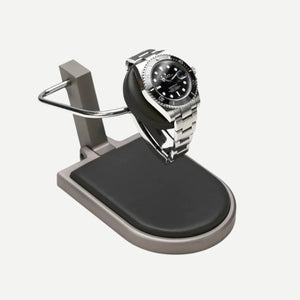



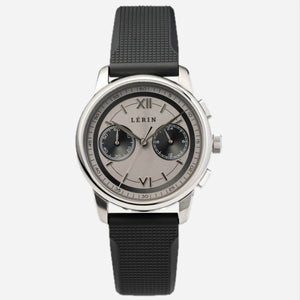

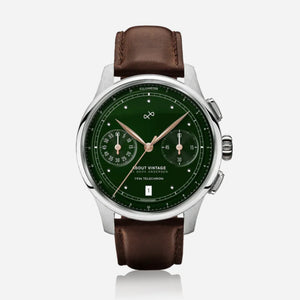
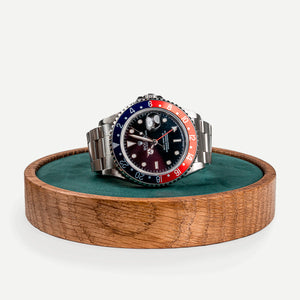

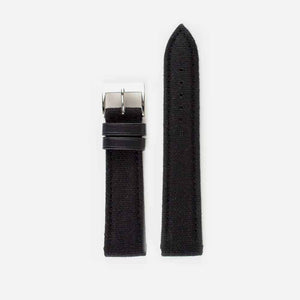


Knowing how to clean a leather watch strap starts with treating it as leather, not as metal, rubber, or fabric. Leather absorbs moisture, skin oils, and sweat, so too much water or an unsuitable cleaner can cause discoloration, stiffness, cracking, or a distorted shape. Moisture also needs to stay away from the watch case while you work.
Why leather watch straps need special care
A little character is not always a problem. Patina is the gradual change in color and texture that develops through normal wear, while dirt, salt residue, mould, deep cracks, loose stitching, and a persistent unpleasant smell point to a strap that needs attention. For a well-made leather strap on a favourite mechanical or microbrand watch, gentle care helps preserve both comfort and its intended look.
 What you need before cleaning a leather watch band
You only need a few gentle materials to clean a leather watch band at home. Start with a soft, clean, lint-free cloth and use a leather-safe cleaner only according to its product instructions. The aim is to lift surface dirt with as little moisture as possible, never to saturate the leather.
If your watch allows it, remove the strap before cleaning. If not, keep the case protected and avoid allowing moisture to collect around the lugs, crown, or case back. Smooth leather is the focus here. Suede, vintage, exotic, and heavily textured straps can need a different approach, so check the strap maker’s care guidance first.
- Use a dry soft cloth for the first wipe.
- Apply a suitable cleaner to the cloth, not directly onto the strap.
- Prepare a dry, ventilated place where the strap can air-dry.
- Keep strong detergents, alcohol, vinegar mixtures, and abrasive brushes away from the leather.
 How to clean a leather watch strap step by step
The safest way to clean a leather watch strap is to inspect it first, clean only the surface with controlled moisture, and allow it to dry completely before wearing it again. Taking a few calm steps is much safer than trying to scrub away every mark in one session.
1. Inspect the strap closely. Look at both sides, especially the underside that touches your wrist. If you find mould, deep cracking, broken stitching, or leather that feels weak or separates in layers, skip cleaning and consider replacement instead.
2. Remove the strap where practical, or shield the watch case carefully. A leather strap may be simple to detach on some watches, but do not force spring bars or fittings if you are unsure. The priority is to avoid moisture reaching areas of the watch that should remain dry.
3. Wipe away loose dirt with a dry cloth. Use light strokes along the length of the strap, including around the buckle holes and keeper loops. This dry pass often removes dust and everyday grime without needing any cleaner at all.
4. Add minimal moisture for a deeper clean. Put a small amount of suitable leather cleaner onto the cloth, following the product guidance. The cloth should be lightly moistened, not wet. Wipe the strap gently, working in small sections rather than rubbing the same area repeatedly.
5. Pay attention to the underside. Sweat and skin oils commonly build up here, but it is also where leather can become most vulnerable. Clean it with the same light touch and stop if color transfers heavily to the cloth or the leather begins to feel overly damp.
6. Treat light marks patiently. A small surface stain may improve after one careful pass, but aggressive rubbing can remove color or alter the finish. Some stains have settled into the leather and cannot be removed safely. It is better to leave a faint mark than create a larger damaged patch.
7. Let the strap air-dry naturally. Place it flat in a dry, ventilated area away from direct sunlight and radiators. Do not bend it sharply, fasten it tightly, or put it back on the watch until it feels fully dry.
8. Check the result before wearing it. The strap should feel dry, flexible, and comfortable, with no residue from the cleaner. Regular light cleaning is a better leather watch strap care habit than waiting until sweat and dirt have built up.

Handle sweat, odor, and rain without harsh shortcuts
Sweat, odor, and rain are best managed through prompt drying and light routine care. If your strap gets wet while commuting or walking in changeable weather, gently blot it with a dry cloth and let it air-dry in an open, ventilated place. Putting it on a radiator may seem efficient, but direct heat can dry the leather unevenly and make it less supple.
For odor, do not try to cover it with fragrance, alcohol wipes, or strong cleaning products. Clean surface buildup gently, then make sure the strap dries fully before it is worn or stored. If you expect intense exercise or regular heavy sweating, consider saving your leather strap for lower-moisture occasions. Rotating straps also gives each one time to dry between wears, which is a practical habit for an enthusiast’s daily collection.
Condition and store your leather strap carefully
Conditioning can help leather remain supple, but it should be used sparingly and only when the strap and product guidance make it appropriate. A dedicated leather conditioner is not a substitute for cleaning. Apply too much, and you may leave residue, darken the leather, or soften its finish more than intended.
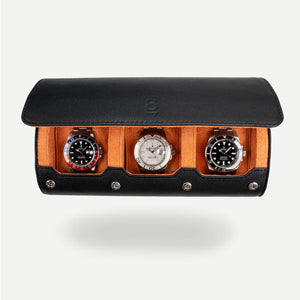
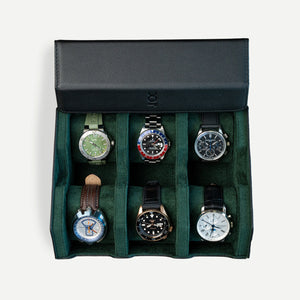
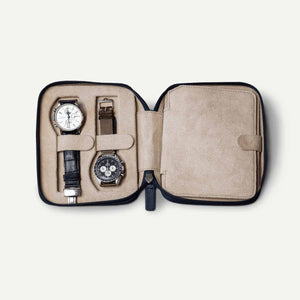
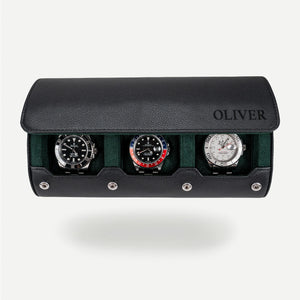
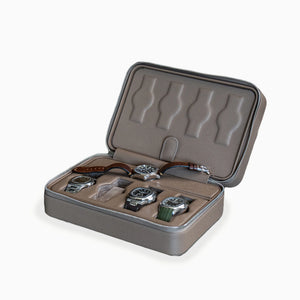
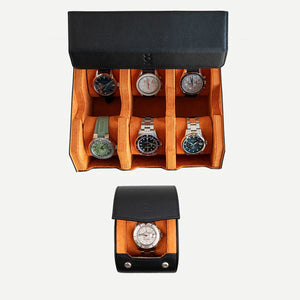
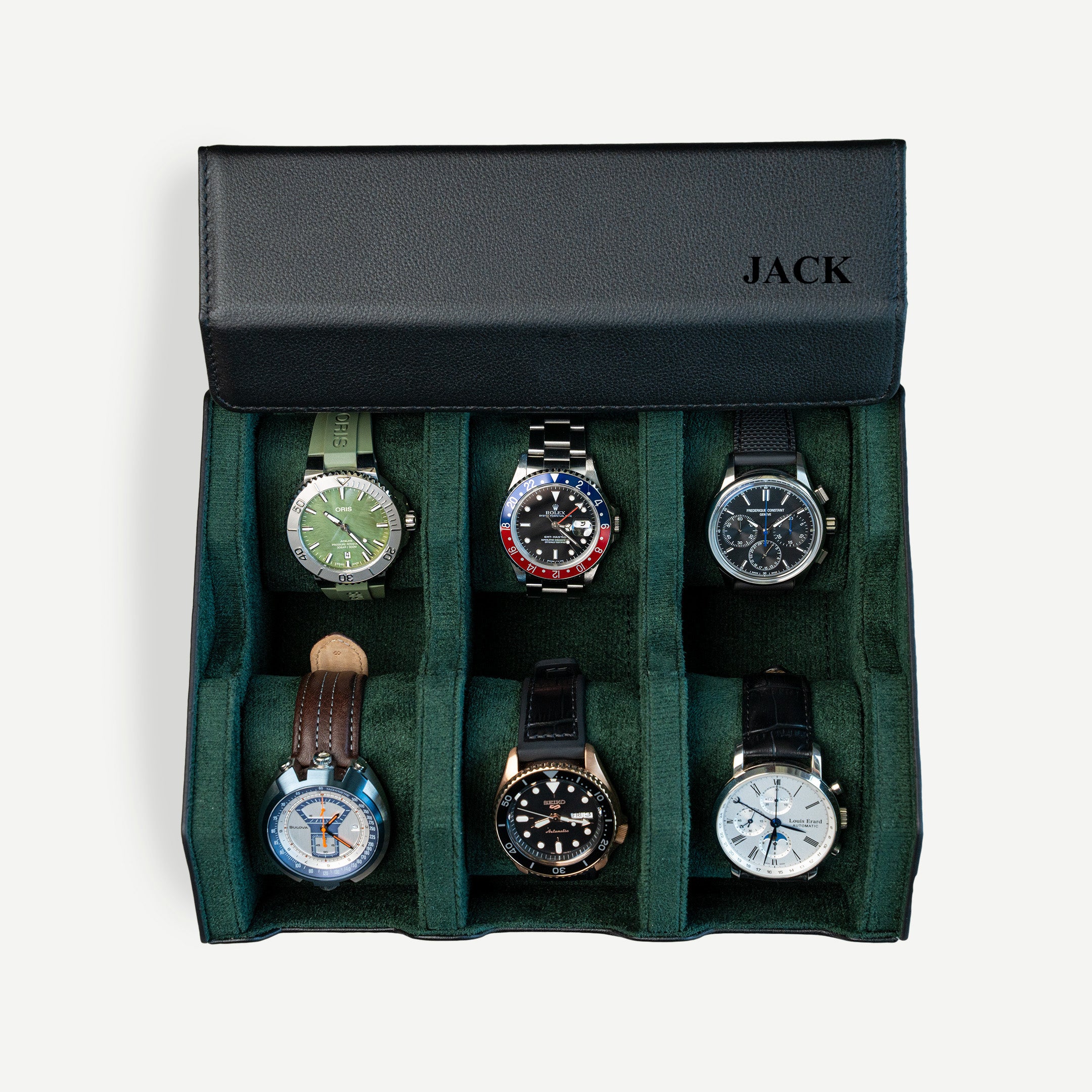
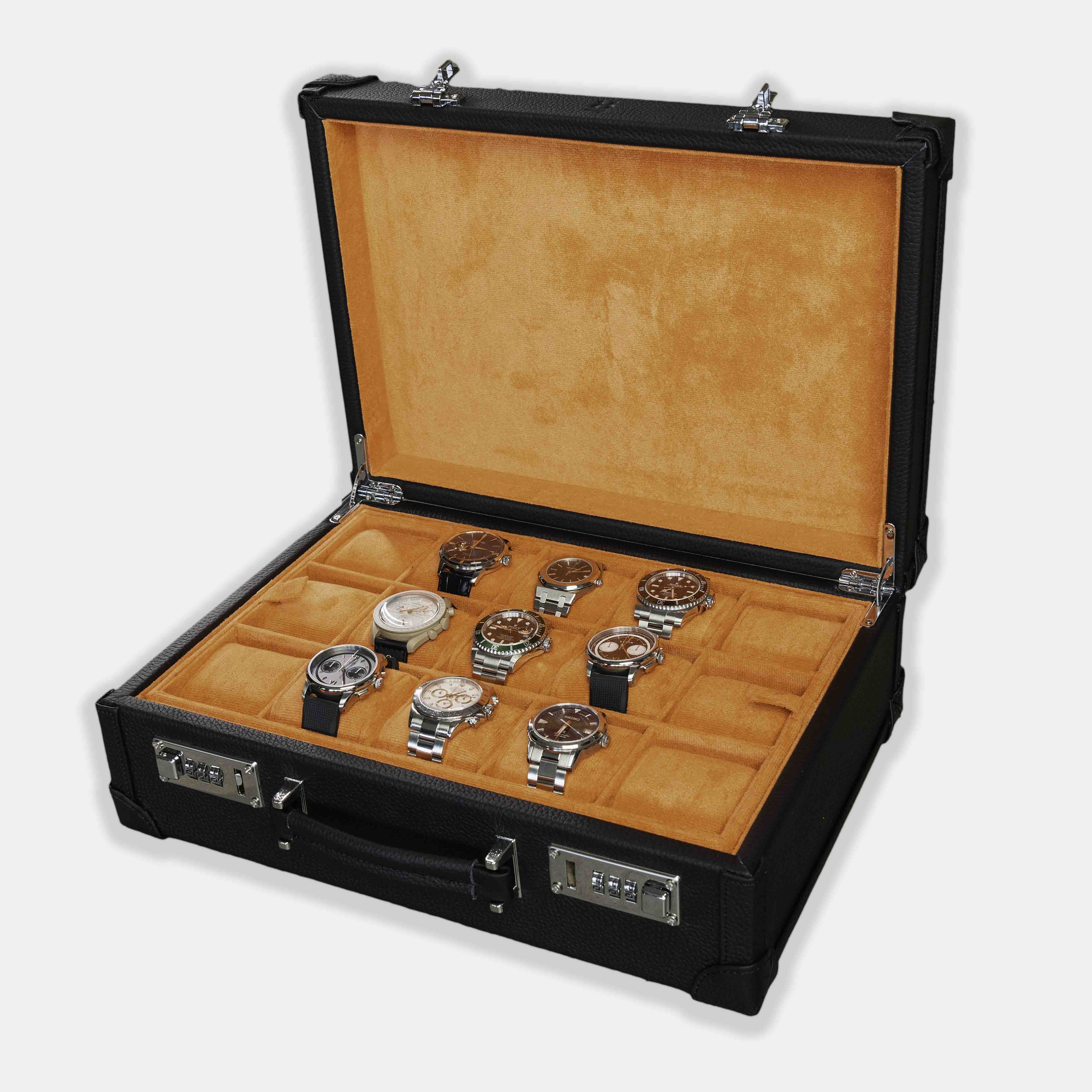
Once your strap is clean and fully dry, store the watch in a dry place with some ventilation. A watch roll, case, or organiser can protect a collection from scratches and dust, but it should never trap a damp leather strap inside. This matters particularly during periods of rain and changing temperatures, when moisture can linger unnoticed after a day outdoors.
Good storage supports the enjoyment of a curated collection. Give each watch enough space to rest naturally, avoid tightly bending the strap for long periods, and inspect leather straps occasionally before placing them away for extended storage.

Avoid common mistakes and know when to replace the strap
The biggest mistakes when you clean a leather watch strap are soaking it, using harsh chemicals, scrubbing hard, drying it with direct heat, or storing it before it is dry. These shortcuts can create more damage than the original dirt or light stain.
Cleaning cannot repair structural wear. Replace the strap if you notice deep cracks, weakened or torn leather, loose stitching, mould, serious deformation, or a buckle area that no longer feels secure. A new strap is not a failure of care. It is often the sensible way to keep wearing a watch comfortably, cleanly, and securely.
The simple rule is to clean gently, use minimal moisture, and give leather time to dry. With regular attention, your strap can continue to develop character while remaining a comfortable part of the watch you enjoy wearing.
Explore DailyWatch’s carefully selected watch storage and strap accessories when your collection needs a safer place to rest or a fresh leather strap for everyday wear.